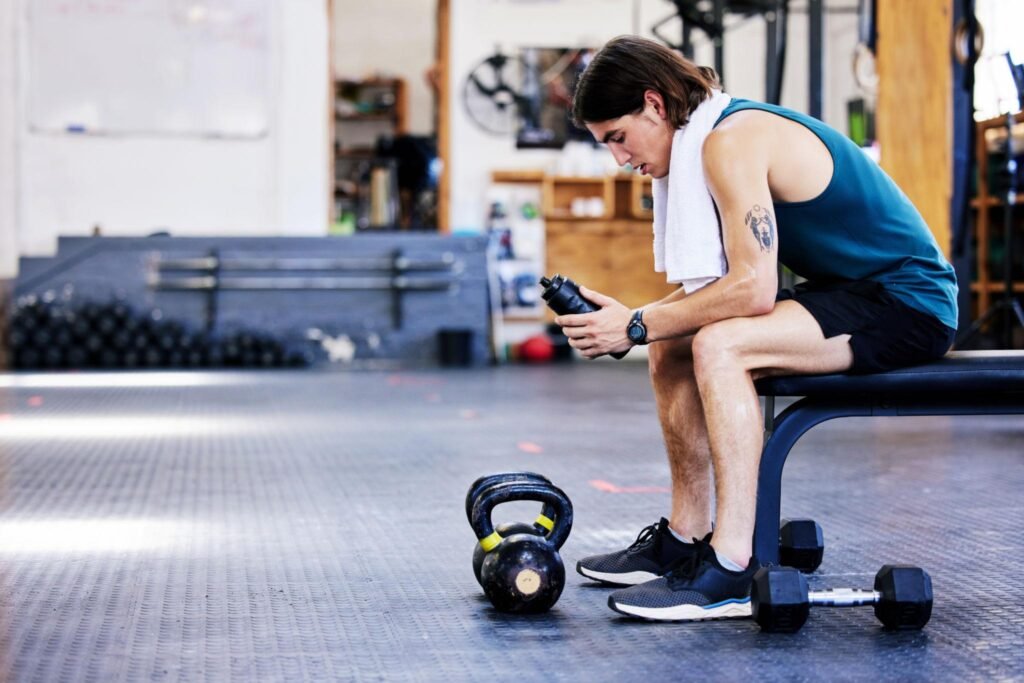
Muscle soreness is a familiar experience for anyone who exercises regularly. Whether you lift weights, run, cycle, participate in sports, or simply enjoy staying active, intense physical activity can leave your muscles feeling stiff, tender, and tired.
This discomfort often leads people to explore different recovery options, including stretching, massage, protein supplements, cold therapy, and cannabidiol (CBD).
CBD has attracted attention in the fitness and wellness industries because of its potential interactions with the body’s systems involved in pain perception, inflammation, and other physiological processes. Some CBD products are marketed specifically for post-workout recovery and muscle soreness.
But does CBD actually help muscles recover after exercise? Can CBD oil or topical CBD cream reduce delayed-onset muscle soreness (DOMS)? And what does scientific research say?
In this guide, we’ll explore the potential relationship between CBD and muscle recovery, examine the available scientific evidence, discuss product types and safety considerations, and look at recovery strategies supported by established exercise science.
Important takeaway: CBD is not a proven muscle recovery treatment. Early research is interesting, but human studies remain limited and have produced mixed results.
What Is Muscle Recovery?
Muscle recovery is the process through which your body returns to normal after physical activity and adapts to the demands of exercise.
During challenging workouts, particularly resistance training and unfamiliar or intense exercise, muscles experience temporary fatigue and physiological stress. The body responds by repairing and adapting to these demands.
Recovery involves several processes, including:
- Restoring energy reserves used during exercise.
- Repairing and remodeling muscle tissue.
- Managing temporary inflammation and other exercise-related responses.
- Restoring normal muscle function.
- Adapting to training so the body can handle similar activity in the future.
Recovery is essential for maintaining consistent exercise performance and reducing the risk of overtraining.
However, muscle recovery does not happen instantly. Depending on the workout, training experience, nutrition, sleep, and exercise intensity, it may take several hours or days.
What Is Delayed-Onset Muscle Soreness (DOMS)?
Delayed-onset muscle soreness, commonly known as DOMS, is the discomfort that develops after unfamiliar or particularly demanding physical activity.
It is especially common following exercises that involve eccentric muscle contractions. These occur when a muscle lengthens while producing force, such as when:
- Lowering a dumbbell during a bicep curl.
- Walking or running downhill.
- Lowering your body during a squat.
- Performing the downward phase of a push-up.
- Completing unfamiliar resistance-training exercises.
DOMS usually becomes noticeable several hours after exercise, often peaks between 24 and 72 hours, and gradually improves.
Common symptoms include:
- Muscle tenderness when touched.
- Stiffness and reduced flexibility.
- Temporary discomfort during movement.
- Reduced strength or exercise performance.
- Mild swelling in the affected area.
DOMS is different from an acute muscle injury. Sharp pain during exercise, significant swelling, severe weakness, or unusually dark urine should not be dismissed as ordinary post-workout soreness. These symptoms may require medical assessment.
What Is CBD and How Does It Work?
Cannabidiol (CBD) is a naturally occurring compound found in the cannabis plant. It is one of the many cannabinoids produced by Cannabis sativa.
Unlike tetrahydrocannabinol (THC), CBD is not generally considered intoxicating and does not produce the typical marijuana-related high.
CBD interacts with several biological signaling systems in the body. Researchers are particularly interested in its relationship with the endocannabinoid system.
Understanding the Endocannabinoid System
The endocannabinoid system (ECS) is a complex cell-signaling network involved in regulating several physiological processes.
Its components include:
- Endocannabinoids: Compounds naturally produced by the body.
- Receptors: Proteins, including CB1 and CB2 receptors, that receive chemical signals.
- Enzymes: Proteins responsible for producing and breaking down endocannabinoids.
The ECS is involved in processes associated with pain signaling, immune activity, mood, appetite, and other bodily functions.
CBD does not simply activate CB1 and CB2 receptors in the same way THC does. Instead, researchers are investigating its more complex interactions with several receptors and signaling pathways.
Because the endocannabinoid system is involved in processes relevant to exercise and discomfort, scientists are exploring whether CBD could have a role in post-workout recovery.
However, biological mechanisms observed in laboratory research do not automatically translate into proven benefits in people.
Can CBD Help With Muscle Recovery?
CBD is frequently marketed as a potential recovery aid, but the scientific evidence is not strong enough to establish that it speeds up muscle repair or reduces post-workout soreness.
Researchers are investigating several possible areas of interest.
1. CBD and Post-Workout Muscle Soreness
One of the main reasons people consider CBD after exercise is muscle soreness.
Following an intense workout, temporary changes in muscle tissue and surrounding structures can contribute to discomfort and stiffness.
CBD is being studied for its possible effects on pain-related signaling pathways. This has led researchers to investigate whether it could influence the way people experience post-exercise soreness.
However, the available clinical studies have not consistently demonstrated that CBD reduces DOMS.
Some preliminary findings are encouraging, but other controlled studies have found no meaningful difference between CBD and placebo treatments.
It is therefore too early to conclude that CBD is an effective treatment for ordinary post-workout muscle soreness.
2. CBD and Exercise-Related Inflammation
Inflammation is part of the body’s normal response to exercise and tissue stress.
Although excessive or persistent inflammation can be problematic, temporary inflammatory responses also play a role in tissue repair and adaptation.
Laboratory research has investigated CBD’s interactions with biological pathways involved in inflammatory signaling.
These findings have generated interest in CBD as a potential wellness ingredient.
However, evidence from laboratory experiments does not establish that using CBD products reduces exercise-related inflammation in humans.
There is also an important distinction between reducing inflammation and improving recovery. Suppressing a particular biological response does not necessarily mean muscles will repair faster or adapt better to training.
More human research is needed to understand these relationships.
3. CBD and Muscle Function After Exercise
Muscle recovery involves more than simply feeling less sore.
A person may experience less discomfort while their muscles are still recovering from exercise-related fatigue or damage.
Researchers therefore examine objective measures such as:
- Muscle strength.
- Muscle power.
- Range of motion.
- Exercise performance.
- Blood markers associated with muscle damage.
Some studies have investigated whether CBD influences these measurements following demanding exercise.
So far, the findings are inconsistent. A few small studies have reported potentially favorable results for selected measurements, but the overall evidence does not establish that CBD reliably restores muscle function faster.
4. CBD and Sleep During Recovery
Sleep is an important part of physical recovery.
During sleep, the body carries out numerous processes involved in tissue maintenance, hormonal regulation, memory, and adaptation to exercise.
Poor sleep can affect physical performance, mood, motivation, and the ability to recover from demanding training.
CBD is sometimes marketed as a sleep-support product. Researchers have investigated its potential relationship with sleep and anxiety-related symptoms, but results vary depending on the population, dose, and study design.
There is currently insufficient evidence to recommend CBD specifically as a way to improve athletic recovery through better sleep.
People experiencing persistent sleep difficulties should consider established sleep habits and discuss ongoing problems with a healthcare professional.
What Does Scientific Research Say About CBD and Muscle Recovery?
Scientific research is essential when evaluating claims about CBD and exercise recovery.
Although interest in this subject has increased, relatively few controlled human studies have examined CBD specifically for muscle soreness and recovery.
Here are some important studies worth understanding.
1. A 2026 Study Examining CBD and Exercise-Induced Muscle Injury
A randomized, double-blind, placebo-controlled feasibility trial published in the Journal of Cannabis Research in March 2026 investigated whether oral CBD could help with pain and functional impairment following experimentally induced exercise-related muscle injury.
The study included 29 healthy participants who received either CBD or a placebo. The CBD group used a daily dose of 67 mg during the study period.
Researchers reported that participants receiving CBD experienced lower peak pain at rest and during movement at the 48-hour assessment. The CBD group also showed less strength impairment and physical disability at that time point.
These findings are interesting because they suggest CBD may influence certain pain-related symptoms following exercise-induced muscle injury.
However, the study was a small feasibility trial. The researchers emphasized that larger clinical studies are necessary to confirm the results.
It should not be interpreted as proof that CBD speeds up ordinary muscle recovery.
2. A 2026 Study on Topical CBD Gel and Muscle Recovery
Another study published in March 2026 investigated whether applying CBD gel could improve recovery after strenuous exercise.
Fifteen physically active participants completed an exercise protocol designed to produce muscle damage.
Researchers compared topical CBD gel with a placebo gel and measured muscle function, soreness, and a blood marker associated with muscle damage.
The results showed:
- No significant difference in delayed-onset muscle soreness between CBD and placebo.
- No significant difference in plasma myoglobin levels.
- No significant improvement in concentric muscle function.
- A favorable result for isometric muscle torque at certain follow-up measurements.
Despite that isolated finding, the researchers concluded that topical CBD did not appear to accelerate muscle function recovery or reduce DOMS.
The small sample size also means the results should be interpreted cautiously.
Research: Topical Application of Cannabidiol for Muscle Recovery After Exercise-Induced Muscle Damage
3. A 2025 Study on Topical CBD and Muscle Soreness
A randomized, double-blind, placebo-controlled pilot study published in 2025 investigated the effects of CBD cream after a lower-body resistance exercise protocol.
The study included 28 participants who were assigned to control, CBD, or placebo groups.
Participants in the CBD group applied approximately 100 mg of CBD cream to their quadriceps over the study period.
Researchers examined muscle soreness and physical performance following exercise.
The study did not find convincing evidence that topical CBD reduced muscle soreness or improved performance compared with placebo.
This is an important finding because it challenges marketing claims suggesting that applying CBD cream after a workout necessarily improves recovery.
Research: Topical Cannabidiol Application May Not Attenuate Muscle Soreness or Improve Performance
4. A 2024 Study on Oral CBD and Athletic Recovery
A randomized, double-blind crossover study published in 2024 examined the effects of oral CBD on recovery following an intensive training protocol.
Seventeen well-trained athletes completed repeated training periods while receiving either a placebo or one of two CBD formulations.
Researchers measured physical performance, muscle damage markers, and inflammatory markers.
The study found some differences in myoglobin levels among advanced athletes using one CBD formulation. However, the researchers did not identify clear overall benefits for performance or inflammatory measurements.
The authors concluded that the findings were not sufficient to establish a consistent recovery benefit.
Research: Influence of Short-Term Chronic Oral Cannabidiol Application on Muscle Recovery and Performance
5. A 2023 Study on CBD, CBG, and Delayed-Onset Muscle Soreness
A 2023 randomized, double-blind, placebo-controlled pilot study examined a beverage powder containing CBD and several other ingredients.
The formulation included:
- 35 mg of CBD.
- 50 mg of cannabigerol (CBG).
- Beta-caryophyllene.
- Branched-chain amino acids (BCAAs).
- Magnesium citrate.
Forty exercise-trained participants completed an experimental protocol designed to produce DOMS.
The researchers investigated safety, tolerability, and preliminary recovery outcomes.
Because the product contained several active ingredients, it is difficult to determine whether any observed effects were specifically attributable to CBD.
This study is useful background research, but it should not be presented as proof that CBD alone improves muscle recovery.
Research: A Randomized Pilot Study of a CBD- and CBG-Based Beverage Powder to Support Recovery From DOMS
6. A 2024 Systematic Review of CBD and Exercise Recovery
A systematic review published in Nutrients in 2024 examined available research on CBD, exercise performance, and post-exercise recovery.
The researchers searched scientific databases and identified seven studies that met their inclusion criteria.
The review found limited evidence of potential effects on certain physiological measurements, but evidence for improvements in strength and post-exercise recovery remained limited.
The authors emphasized the need for additional research to understand CBD’s effects and safety in physically active individuals.
A systematic review is useful because it evaluates multiple studies rather than relying on one experiment. However, its conclusions are still limited by the quality and number of available studies.
What Can We Conclude From These Studies?
Current research does not establish CBD as an effective muscle recovery treatment.
Some early findings suggest possible benefits for selected pain-related symptoms or physiological measurements, but other controlled trials have found no meaningful improvements in soreness or muscle function.
The research also varies in important ways:
- Some studies use oral CBD, while others investigate topical products.
- Sample sizes are generally small.
- Exercise protocols differ between studies.
- CBD formulations and doses are not consistent.
- Some products contain additional ingredients.
- Follow-up periods are often relatively short.
More large-scale, well-designed clinical trials are needed before reliable conclusions can be made.
CBD Oil vs. CBD Cream for Muscle Recovery
CBD products are available in several forms, including oils, capsules, gummies, creams, and gels.
People interested in exercise recovery often compare oral CBD products with topical formulations.
However, no product type has been established as an effective treatment for post-workout muscle soreness.
CBD Oil
CBD oil is typically taken orally or placed under the tongue, depending on the product’s instructions.
It is marketed for general wellness and is sometimes promoted for relaxation, sleep, and recovery.
Oral CBD is absorbed through the digestive system, while products held under the tongue may have different absorption characteristics.
The amount of CBD that reaches the bloodstream can vary depending on the formulation, food intake, and other factors.
Important: There is no scientifically established CBD oil dosage for muscle recovery.
CBD Cream and Gel
Topical CBD products are applied directly to the skin.
They are often marketed for localized muscle and joint discomfort.
CBD creams may also contain ingredients such as menthol, essential oils, or other botanical extracts.
These additional ingredients can affect the product’s overall experience, so it is important not to assume that any cooling or soothing sensation comes from CBD itself.
Evidence that topical CBD improves exercise-related muscle recovery remains limited.
Which Option Is Better?
There is not enough reliable evidence to say that CBD oil or CBD cream is better for muscle recovery.
The choice of product should not be based on unsupported claims about faster muscle repair or guaranteed soreness relief.
Anyone considering CBD should also review potential safety risks and consult a healthcare professional, especially when taking prescription medication.
When Do People Use CBD After a Workout?
Some people use CBD products after exercise because they are interested in their potential effects on relaxation, discomfort, or sleep.
However, there is no scientifically established best time to use CBD for muscle recovery.
Research has investigated different administration schedules, including use before exercise and repeated use after training.
These studies have not established a reliable timing strategy that improves recovery.
It is also important to remember that CBD products can cause drowsiness in some people. Using a product before driving, operating equipment, or performing activities requiring alertness may be unsafe.
Rather than relying on CBD timing, prioritize recovery habits that have stronger scientific support.
Potential Risks and Side Effects of CBD
CBD is often marketed as a natural wellness ingredient, but natural does not automatically mean safe.
The U.S. Food and Drug Administration (FDA) has identified several potential risks associated with CBD use.
Commonly Reported Side Effects
Possible side effects include:
- Drowsiness and sleepiness.
- Diarrhea and digestive discomfort.
- Reduced appetite.
- Changes in mood or alertness.
- Fatigue.
The likelihood of side effects can depend on the amount used, product formulation, individual health factors, and other medications.
CBD and Medication Interactions
CBD can interact with certain medications.
It may change how the body processes some drugs, potentially increasing or decreasing their effects.
This is particularly important for people who regularly take prescription medications or other supplements.
Speak with a healthcare professional or pharmacist before using CBD if you take medication.
Potential Liver Risks
Research involving CBD has identified a potential risk of liver enzyme elevations and liver injury.
The FDA has highlighted liver-related concerns, particularly in connection with higher CBD exposure and certain medication combinations.
People with existing liver conditions should be especially cautious and seek medical advice before considering CBD.
Product Quality and Contamination
Not all CBD products contain what their labels claim.
Some products may contain different amounts of CBD than advertised, unwanted THC, or contaminants.
If you are considering a CBD product, look for a recent certificate of analysis (COA) from an independent laboratory.
A COA should ideally confirm:
- CBD content.
- THC content.
- Cannabinoid profile.
- Testing for heavy metals.
- Testing for pesticides.
- Testing for residual solvents and microbial contamination.
Third-party testing can provide useful information about product quality, but it does not establish that a product is effective or risk-free.
Who Should Avoid CBD or Seek Medical Advice First?
People who are pregnant or breastfeeding should avoid CBD unless specifically advised otherwise by a qualified healthcare professional.
People with liver conditions, those taking prescription medications, and anyone with underlying medical concerns should discuss potential risks with a healthcare professional before using CBD.
CBD should not replace medical treatment or professional assessment of persistent muscle pain.
How to Choose a CBD Product for Muscle Recovery
If you decide to explore CBD products, it is important to evaluate product quality rather than relying on marketing claims.
Here are some factors to consider.
1. Look for Independent Laboratory Testing
Choose products with accessible, recent certificates of analysis from independent laboratories.
The report should identify the cannabinoid content and provide relevant contaminant testing.
2. Check the CBD Content
Look for clear information about the amount of CBD in the entire product and, where applicable, in each serving.
Avoid products with vague labeling or unclear ingredient information.
3. Understand Full-Spectrum, Broad-Spectrum, and CBD Isolate
CBD products are commonly described using three categories:
Full-spectrum CBD: Contains CBD along with other naturally occurring cannabis compounds. It may also contain THC within the applicable legal limits.
Broad-spectrum CBD: Contains CBD and may contain other cannabis compounds, but is generally formulated to remove THC.
CBD isolate: Contains highly purified CBD without the other major cannabis compounds.
These categories describe product composition. They do not prove that one formulation is more effective for muscle recovery.
4. Avoid Unsupported Medical Claims
Be cautious of products claiming to:
- Repair damaged muscles.
- Eliminate DOMS.
- Cure inflammation.
- Guarantee faster recovery.
- Restore muscle strength overnight.
Such claims are not supported by sufficient clinical evidence.
5. Consider THC Content and Sports Rules
Athletes competing under anti-doping rules should pay particular attention to product ingredients.
Under the World Anti-Doping Agency’s 2026 Prohibited List, cannabidiol itself is an exception to the prohibited cannabinoid category, but other natural and synthetic cannabinoids, including THC, remain prohibited in competition.
CBD products can contain THC even when they are marketed as hemp-derived.
Athletes should review the applicable rules and understand that using a contaminated product can create anti-doping risks.
Proven Ways to Support Muscle Recovery Naturally
Although CBD continues to attract scientific interest, several traditional recovery strategies have stronger evidence behind them.
These habits can support physical recovery without relying on unproven supplement claims.
1. Get Enough Sleep
Sleep is essential for physical and mental recovery.
Most adults should aim for at least seven hours of sleep per night, although individual needs can vary.
To support better sleep:
- Maintain a consistent sleep schedule.
- Keep your bedroom comfortable and dark.
- Limit caffeine late in the day.
- Avoid intense screen exposure close to bedtime.
- Allow enough time for recovery between demanding workouts.
2. Eat Enough Protein
Protein supplies amino acids that help maintain and repair muscle tissue.
People who exercise regularly should make sure their daily protein intake meets their individual needs.
Useful protein sources include:
- Eggs.
- Chicken.
- Fish.
- Greek yogurt.
- Milk.
- Beans and lentils.
- Tofu.
- Lean meat.
Protein intake should be considered as part of an overall balanced diet.
3. Stay Hydrated
Exercise causes fluid loss through sweating.
Replacing lost fluids supports normal bodily functions and helps maintain performance.
Drink water regularly throughout the day and pay attention to hydration needs during longer or more intense workouts.
4. Use Active Recovery
Active recovery involves performing light physical activity rather than remaining completely inactive.
Examples include:
- Walking.
- Gentle cycling.
- Light swimming.
- Easy mobility exercises.
- Comfortable stretching.
These activities may help maintain movement while avoiding additional demanding exercise.
5. Increase Training Intensity Gradually
Suddenly increasing workout intensity, duration, or frequency can lead to excessive soreness and fatigue.
A gradual training progression gives your body time to adapt.
Try to:
- Increase training volume progressively.
- Allow adequate rest between challenging sessions.
- Avoid repeatedly training severely sore muscles.
- Use appropriate exercise technique.
- Adjust your routine when fatigue becomes excessive.
6. Consider Massage and Other Recovery Techniques
Massage, foam rolling, and gentle mobility exercises may help some people manage post-exercise discomfort.
Their effects vary, and they should be viewed as supportive recovery methods rather than guaranteed ways to accelerate muscle repair.
Frequently Asked Questions About CBD for Muscle Recovery
Does CBD help with muscle recovery?
There is currently insufficient scientific evidence to establish that CBD improves muscle recovery. Some small studies have reported potentially favorable effects on selected pain-related or physiological measurements, but other trials have found no significant improvements.
Can CBD reduce delayed-onset muscle soreness (DOMS)?
CBD is being studied for its possible effects on pain-related processes, but clinical evidence has not consistently shown that it reduces DOMS. More controlled human research is needed.